
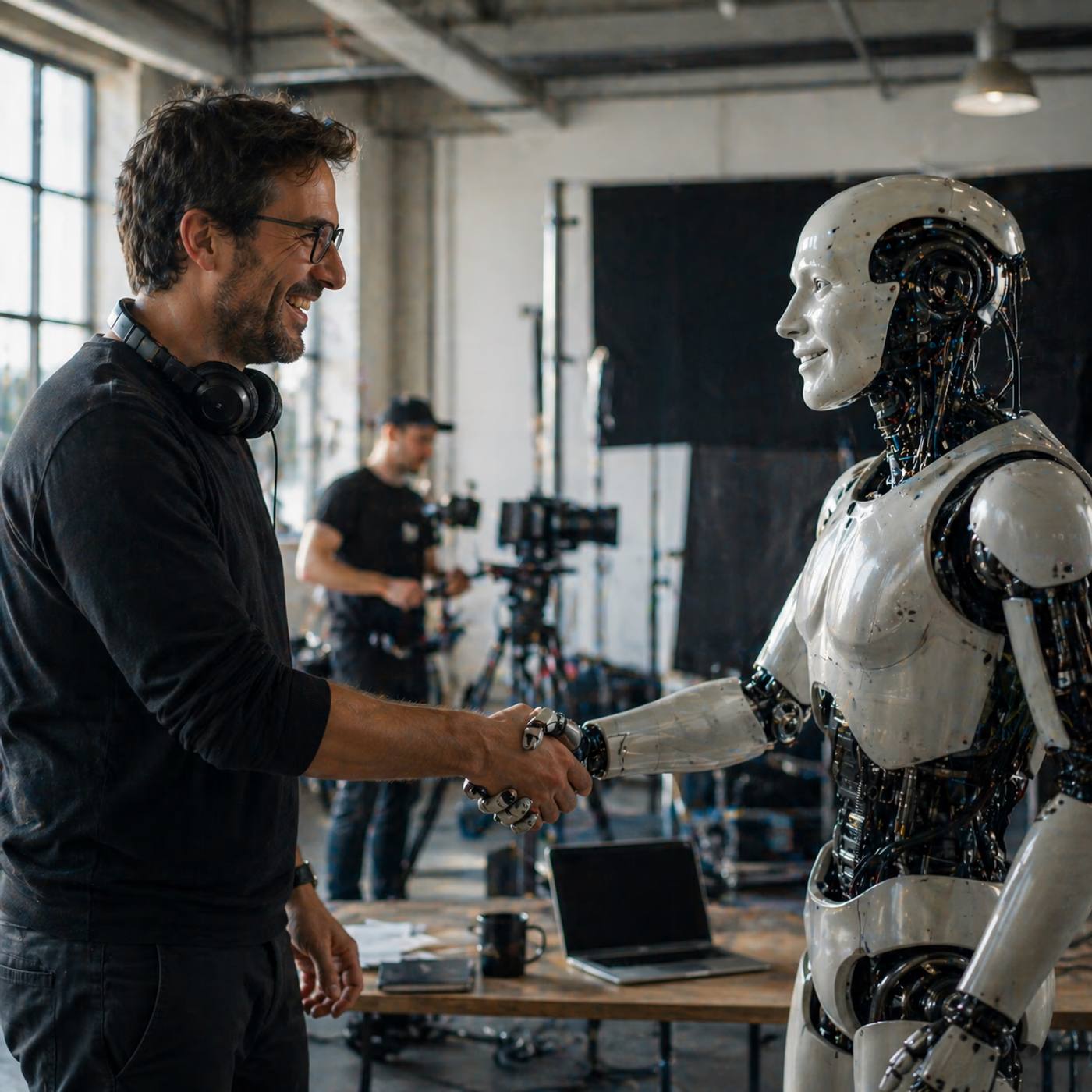
AI Video Production and Artificial Intelligence: Why We Are Only at the Beginning What I am writing here is purely my personal opinion. I am not claiming that the future will look exactly like this, and I could absolutely be wrong. This is simply my perspective after the past few months of working with artificial intelligence and AI video production every single day. I first noticed an AI generated commercial on Slovenian television in December 2025. At the time, I had the impression that AI video production was already being used by a huge number of companies around the world. Today, I realize that we are actually only at the beginning. Recently, I have noticed several more television commercials created with the help of artificial intelligence, and even I would have had difficulty recognizing that AI was involved if I were not following this field every day. The quality and speed of development are what surprise me most about AI video production.
When I started seriously exploring artificial intelligence and AI video in January, I honestly felt like I was already late. I was not. Today, artificial intelligence seems to be everywhere. Almost every day, new tools, new models and new possibilities appear. At the same time, I have an increasingly strong feeling that we are still only at the beginning. If there is one thing I have learned over these past months, it is that development is moving incredibly fast. What looked average in AI video a few months ago looks good today. Things that are still difficult to create today could become completely normal six months from now. Models are becoming more realistic, control over individual shots is improving, and the line between AI video production and traditional video production is becoming increasingly difficult to see.
People are resisting this development, and I notice it especially on LinkedIn. The comments are often similar. AI is not authentic. Everything is artificial. All AI videos look the same. People will always prefer traditional video production. To some extent, I understand this fear, especially among people whose work is already being affected by artificial intelligence. Under one of our AI videos, for example, someone commented that video production should remain video production. I looked at the person's profile and discovered that they were a professional videographer. This is exactly where I see the problem. Instead of asking how AI video production could be integrated into existing skills and used to become even better, a lot of energy is being spent ghting against a technology whose development none of us can stop.
It reminds me of the arrival of computers. Back then, there were also doubts, resistance and questions about why we even needed them. Today, it is almost impossible to imagine a company operating without computers. They did not simply become another tool. They became the foundation of how we work, communicate and do business. I expect something similar to happen with artificial intelligence. I do not believe AI will simply replace everyone. I do believe, however, that it will fundamentally change the way we work. Many tasks that once required several people will be automated or completed significantly faster. Companies will always look for ways to reduce costs, save time and increase efficiency.
AI video production is a very good example. Traditional video production will not disappear because of AI. We will still need production crews, directors, actors, editors and creative professionals. But combining traditional production with artificial intelligence opens up completely new possibilities. Today, with AI video, we can create locations that do not exist, transform environments, bring old photographs to life, create visual effects and turn ideas into reality that would require significantly more time, people and money with traditional production. That does not mean that creating a good AI video is simply a matter of writing one prompt and pressing Enter. You still need an idea, a story, an understanding of cinematography, editing, sound and,
ff ffi ff ffi ffi ffi most importantly, the knowledge of how to combine all these tools into a high quality final product.
I am probably one of the first people to admit that I do not particularly like the idea of a completely digital and automated world. I preferred the time when we spent less time on our phones and more time together in person. But my personal preferences are not going to change the direction in which technology is developing. Reality is what it is. Artificial intelligence is developing, and none of us is going to stop that development. What we can decide is how we respond to it.
And that is also where I see an enormous opportunity. Today, an individual can automate part of their work, create their own tools, start a new project or build an additional source of income with a much smaller team than would have been necessary in the past. If someone dedicated one hour every day for the next year to learning about artificial intelligence, I believe they could gain knowledge that may give them a significant advantage in the future.
Because I work in AI video production myself, I see these changes especially clearly in this field. AI video is becoming increasingly realistic, production is becoming faster, and the creative possibilities are expanding almost every month. That is why I do not believe the future belongs exclusively to traditional production or exclusively to AI production. I believe the combination of both will win, and especially the people who know how to take the best from both worlds.
Looking a few years ahead, I find it difficult to imagine a successful company that will not use artificial intelligence in some form. We will probably also see significant changes in the job market. Some jobs will change, certain tasks will disappear, and completely new professions will emerge that we may not even have names for today.
This is simply how I see things today. Maybe I am wrong. Maybe I am not. Time will tell. But if I had to give one piece of advice, it would be very simple. Start learning about artificial intelligence. I believe that in a few years, the main question will no longer be whether you use AI, but how well you know how to use it. And those who start early will have a significant advantage.
In my next blog, I will share concrete examples of how artificial intelligence has already helped me save time and money, how companies can use AI in practice, and which professions I believe will face the greatest pressure to adapt in the coming years.